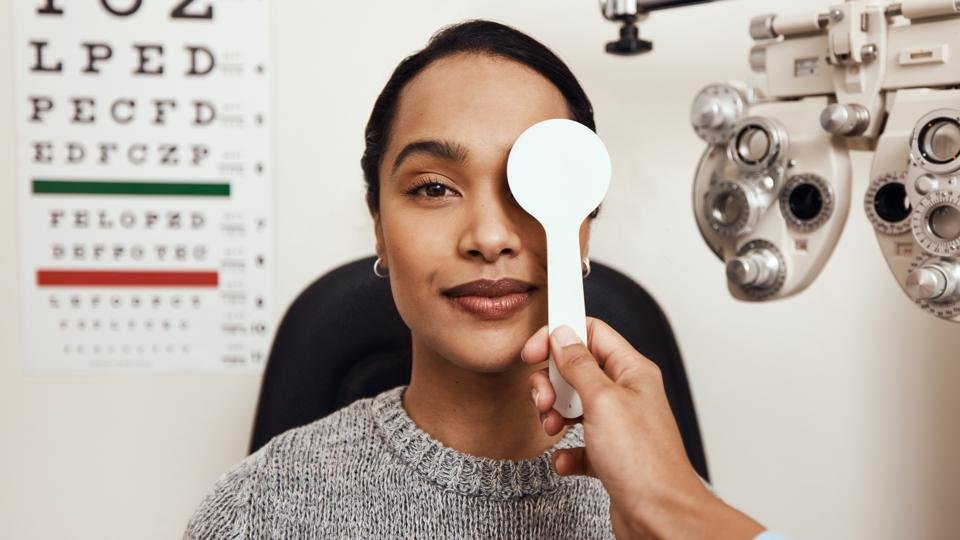

Employee expectations are changing, and businesses must look beyond competitive salaries to attract and retain talented professionals. Today, job seekers often evaluate an organization based on its workplace culture, growth opportunities, work-life balance, and employee benefits. Health insurance, retirement plans, paid leave, and wellness programs all influence their decisions. Among these offerings, eye insurance plans have especially become a valuable addition to comprehensive employee benefits packages, particularly as digital devices become an essential part of everyday work.
Why modern employee benefits package should include eye insurance plans
When designing employee benefits programs, companies often prioritize general medical insurance and overlook the importance of vision care. Eye health is an essential component of overall wellness, and access to regular eye examinations can make a meaningful difference to employees’ daily lives.
Employees across industries spend considerable time using computers, laptops, tablets, and smartphones. Although technology has improved workplace efficiency, prolonged screen use can contribute to eye discomfort, dryness, headaches, and visual fatigue. Eye insurance plans allow employers to support employees in managing their eye health while demonstrating a genuine commitment to their overall well-being.
A competitive salary is important, but it is rarely the only factor influencing a candidate’s decision to join an organization. Professionals increasingly compare the overall value of employment offers, including healthcare coverage, wellness initiatives, financial security, and family benefits. Offering eye insurance can help businesses create a more attractive benefits package. Although vision coverage may appear to be a relatively small addition, it can make a positive impression on prospective employees who value accessible and preventive healthcare.
Existing employees may also appreciate the convenience of having vision-related expenses covered through an employer-sponsored plan. Depending on the policy, benefits may include routine eye examinations, prescription lenses, frames, and contact lenses. Coverage limits, co-payments, exclusions, and eligibility requirements will vary between plans. When employees feel that their employer considers their health needs, they may develop a stronger sense of belonging and loyalty. This can contribute to improved job satisfaction and lower employee turnover over time. For employers competing for skilled professionals, eye insurance plans can help differentiate their benefits offerings and demonstrate that employee well-being is a genuine organizational priority.
The cost of healthcare can discourage employees from seeking routine check-ups, especially when they believe their symptoms are manageable or do not consider an appointment urgent. Vision-related expenses, including eye examinations and corrective eyewear, may also place additional pressure on household budgets. Employer-sponsored eye insurance can reduce some of these financial barriers by covering eligible services and products. When employees understand their benefits and know how to access them, they may be more willing to schedule regular appointments rather than postponing necessary care.
Early attention to vision problems can help identify issues such as refractive errors, dry eyes, and other conditions that may interfere with everyday activities. Eye examinations can also reveal signs of certain underlying health conditions. For example, eye professionals may identify changes associated with diabetes or hypertension and recommend further medical evaluation.